
Why Are My Lights Flickering? A Homeowner's Guide to Tripping Breakers
It’s a familiar scene in many Brampton homes: you’re settling in for the evening, and suddenly the lights flicker. Or, you’re in the middle of making breakfast, and the power to the kitchen cuts out, sending you to the basement to reset a tripped breaker. While these moments are often just minor annoyances, they can sometimes be your home's early warning system, signaling an underlying electrical issue. Ignoring them can compromise your family's safety and lead to more significant problems down the road.
Understanding the difference between a simple nuisance and a serious hazard is key. In this guide, we'll walk you through the common causes of flickering lights and tripping breakers, help you identify when it's time to call a professional, and explain how to ensure your home's electrical system is safe, reliable, and ready for modern demands.
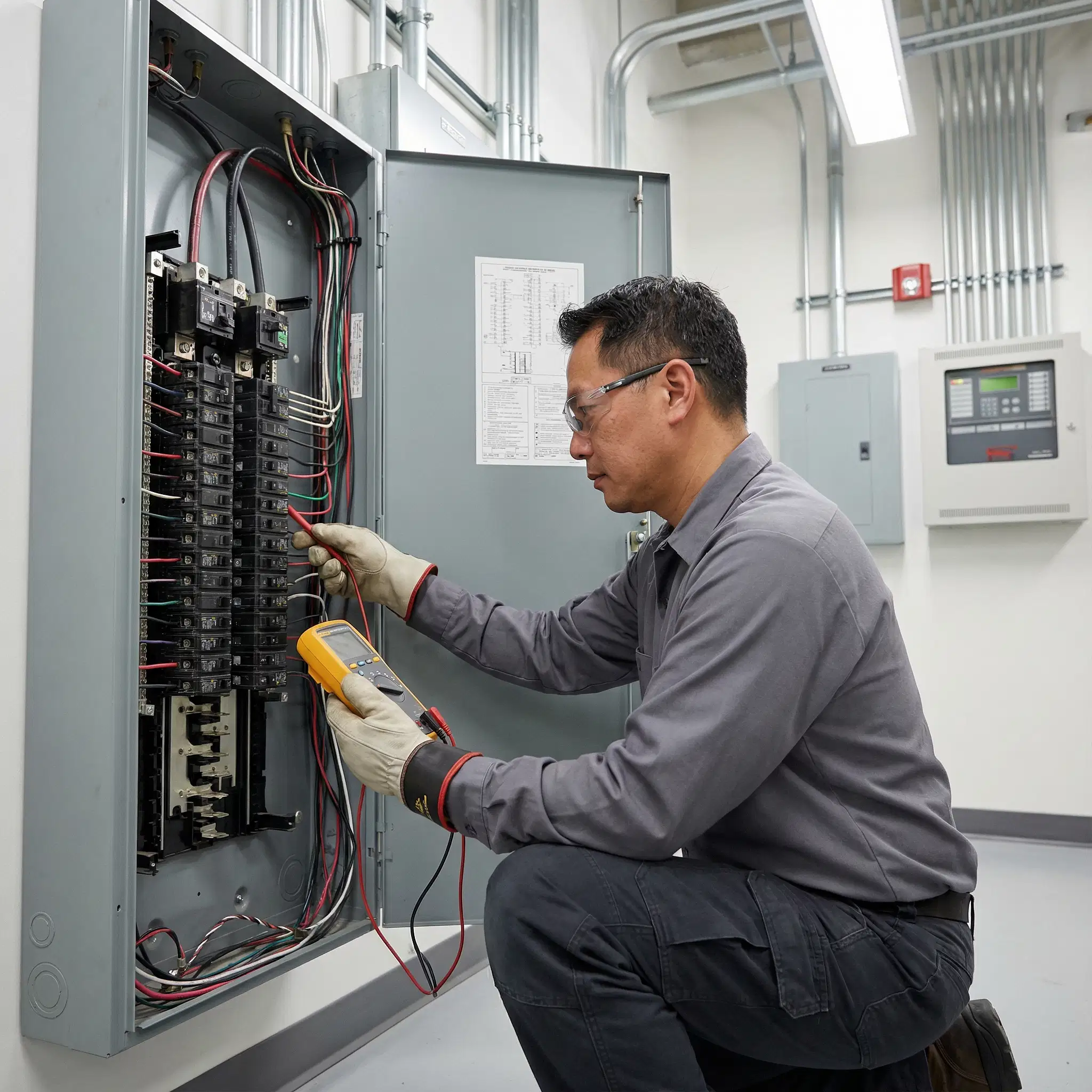
Decoding Flickering Lights: From Simple Fixes to Serious Faults
Flickering lights can be caused by a wide range of issues, some of which you can easily address yourself, while others require the expertise of a licensed electrician.
Common, Simple Causes:
- A Loose Bulb: The simplest explanation is often the right one. Before anything else, ensure the flickering bulb is screwed in tightly.
- A Faulty Bulb or Dimmer: LED and fluorescent bulbs can flicker when they're about to fail. Similarly, if you're using a non-dimmable bulb in a dimmer fixture (or an old dimmer switch with new LED bulbs), it can cause flickering. This is a common issue as more homeowners upgrade to energy-efficient lighting.
Causes That Signal a Deeper Problem:
- Overloaded Circuit: If your lights flicker or dim when a large appliance like an air conditioner or microwave turns on, it means the circuit is straining to provide enough power. This is a sign that your electrical system is struggling to keep up with your home's demands.
- Loose Wiring: This is a more serious concern. Over time, connections in a light switch, outlet, or within your home's wiring can become loose. This creates an unstable connection that can cause flickering, and more dangerously, can generate heat and create a fire hazard.
- Utility Service Issues: Occasionally, the problem might not be inside your home at all, but with the hydro service from Alectra Utilities. If your neighbours are experiencing similar issues, it's likely a problem with the main power line.
If you've ruled out simple bulb issues, it's time to consider a professional diagnosis. Persistent flickering, especially when it affects multiple rooms, points toward a systemic issue that needs professional electrical repairs.
The Mystery of the Tripping Breaker
A circuit breaker that keeps tripping is doing its job—protecting your home from dangerous electrical situations. The breaker panel is the heart of your home's electrical system, and a trip is a clear signal that something is wrong. Here are the three most common reasons a breaker will trip:
-
Circuit Overload: This is the most frequent cause. An overload happens when you try to draw more electricity than a circuit is designed to handle. For example, running a high-powered kettle, toaster, and coffee maker on the same kitchen circuit can exceed its amperage limit, causing the breaker to trip to prevent the wires from overheating.
-
Short Circuit: A short circuit is a more dangerous problem. It occurs when a hot wire comes into contact with a neutral wire. This creates a path of low resistance, allowing a massive amount of current to flow, which instantly trips the breaker to prevent a fire. Shorts can be caused by damaged wiring, faulty appliances, or loose connections.
-
Ground Fault: Similar to a short circuit, a ground fault happens when a hot wire touches a ground wire or a grounded part of an appliance or electrical box. This also causes a surge of current that trips the breaker. Ground faults often occur in areas with moisture, like kitchens and bathrooms, which is why modern electrical codes require Ground Fault Circuit Interrupter (GFCI) outlets in these spaces.
While a single trip due to an overload isn't usually a cause for alarm, if a specific breaker trips repeatedly, you should stop using that circuit and call an electrician immediately. It's a clear sign of a persistent and potentially hazardous fault.
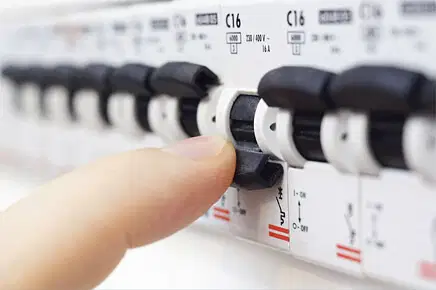
When It's Time for an Electrical Panel Upgrade
For many older homes across the 905, frequent flickering and tripping aren't just isolated incidents—they're symptoms of an outdated electrical system. Your breaker panel is the gateway for all the hydro that powers your life, and if it's not up to the task, you'll experience these problems more and more.
Here are the key signs that you may need an electrical panel upgrade:
- Your home still has a fuse box or a 60-amp service. Modern homes require at least 100 amps, with 200 amps becoming the standard to handle things like EV chargers and smart home technology.
- Breakers trip frequently. As discussed, this is a classic sign of an overloaded system.
- You're planning a major renovation or adding a large appliance, such as a hot tub, central air conditioning, or an EV charger.
- You notice a burning smell or buzzing sounds coming from your panel, or the panel feels warm to the touch. These are emergency signs—contact a licensed electrician immediately.
- Your home has older wiring, such as knob and tube or aluminum wiring, which may not be compatible or safe with modern panels and electrical loads.
Upgrading your panel is a crucial investment in your home's safety and functionality. It ensures you have the capacity for all your modern needs and provides peace of mind that your system is safe and compliant with the latest Ontario Electrical Safety Code (OESC).
Your Trusted Partner for Electrical Safety in Brampton
Flickering lights and tripping breakers are more than just inconveniences; they are important signals about the health of your home's electrical system. While it's tempting to ignore them, taking proactive steps ensures your home remains a safe and reliable space for your family. The best way to diagnose the root cause of these issues is with a professional electrical safety inspection. An ESA-licensed electrician can assess your entire system, from the service connection to your outlets, and identify any potential hazards.
At Rehoboth Electrical Services Inc., we are committed to providing safe, reliable, and high-quality electrical solutions for our community. Our team of certified electricians has the expertise to accurately diagnose your electrical issues and recommend the right solution, whether it's a simple repair or a full panel upgrade. Don't let electrical uncertainties put your home at risk. Contact us today to schedule an inspection and ensure your peace of mind.